
Vertical architecture
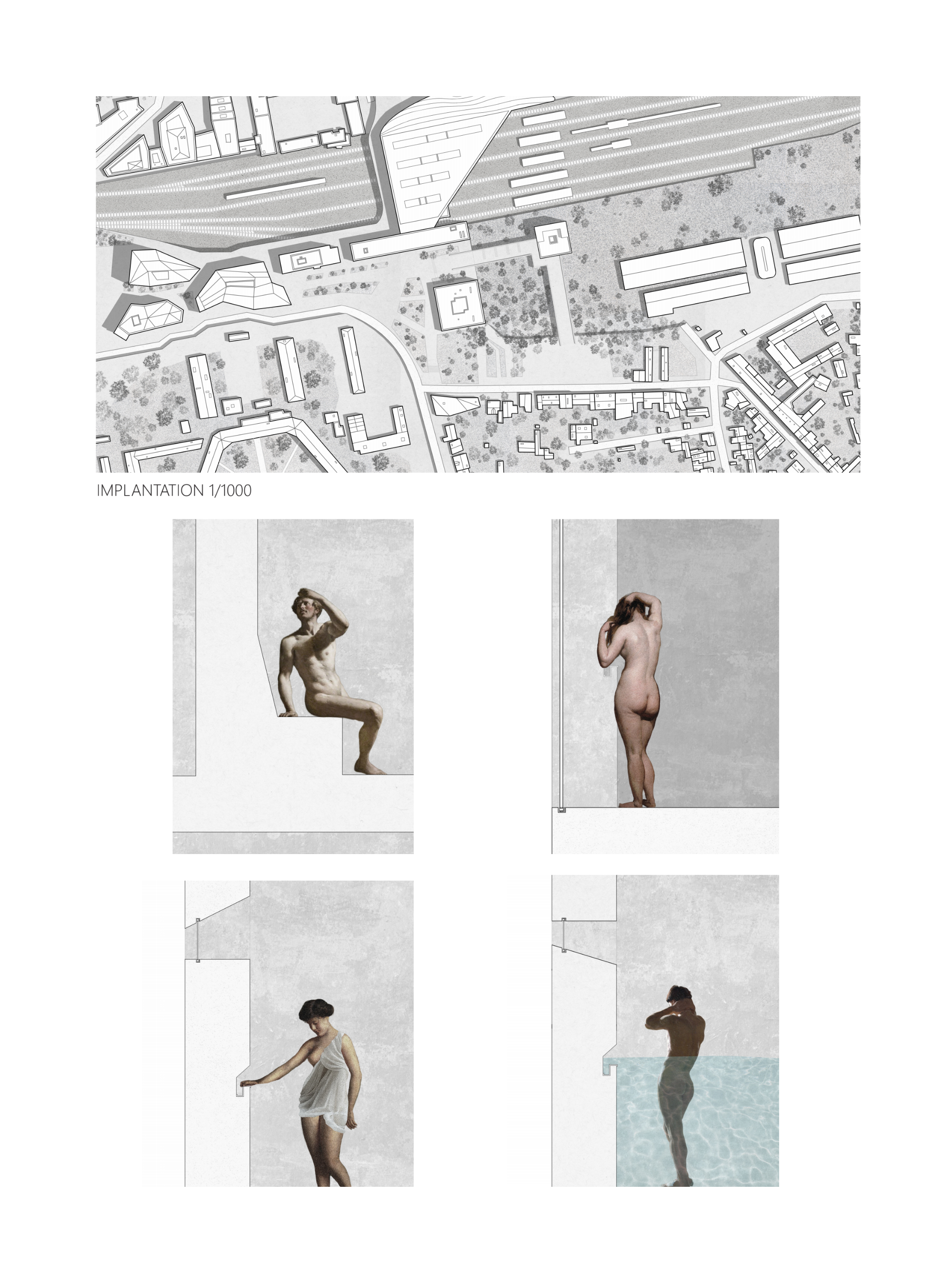
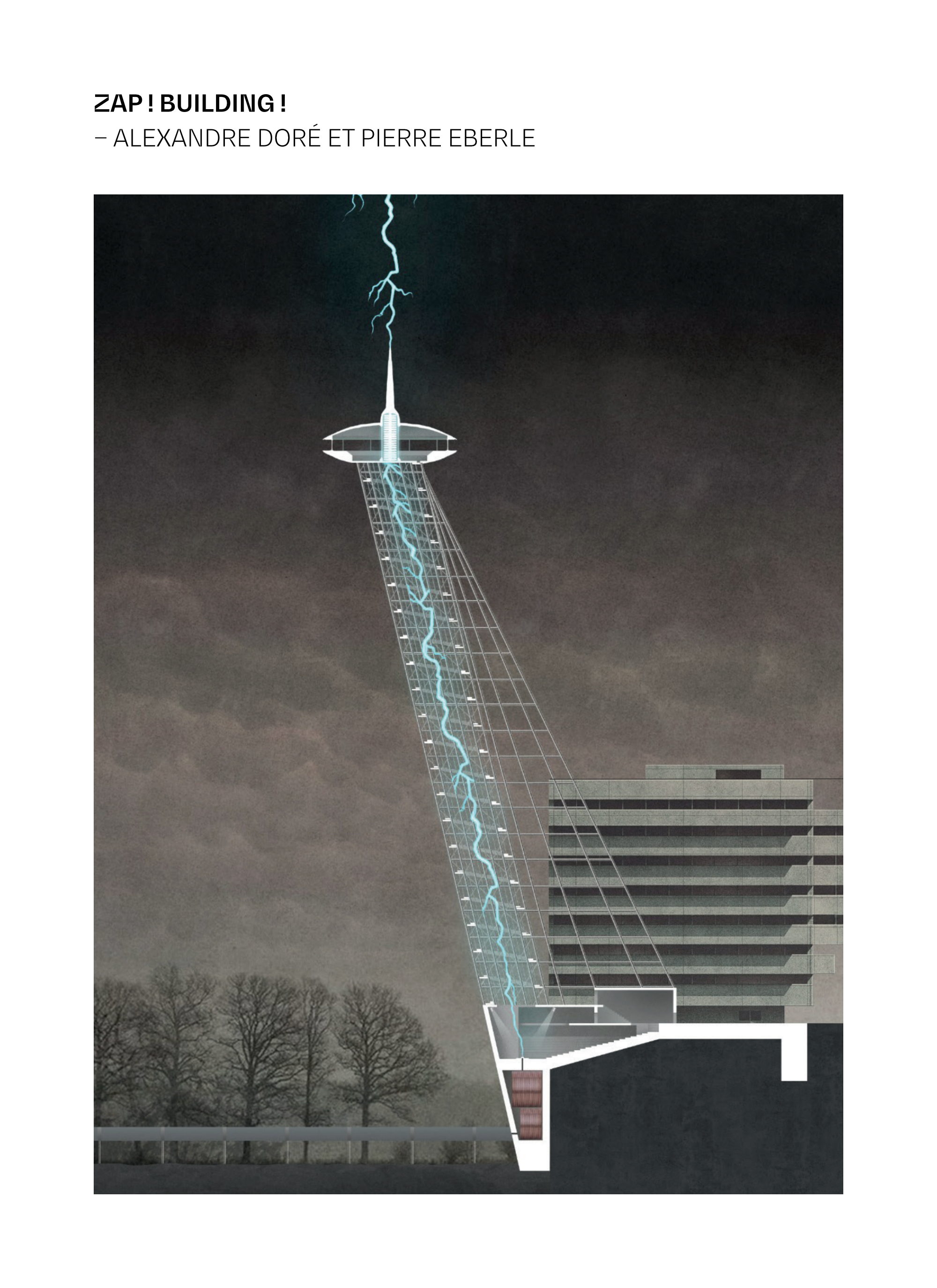

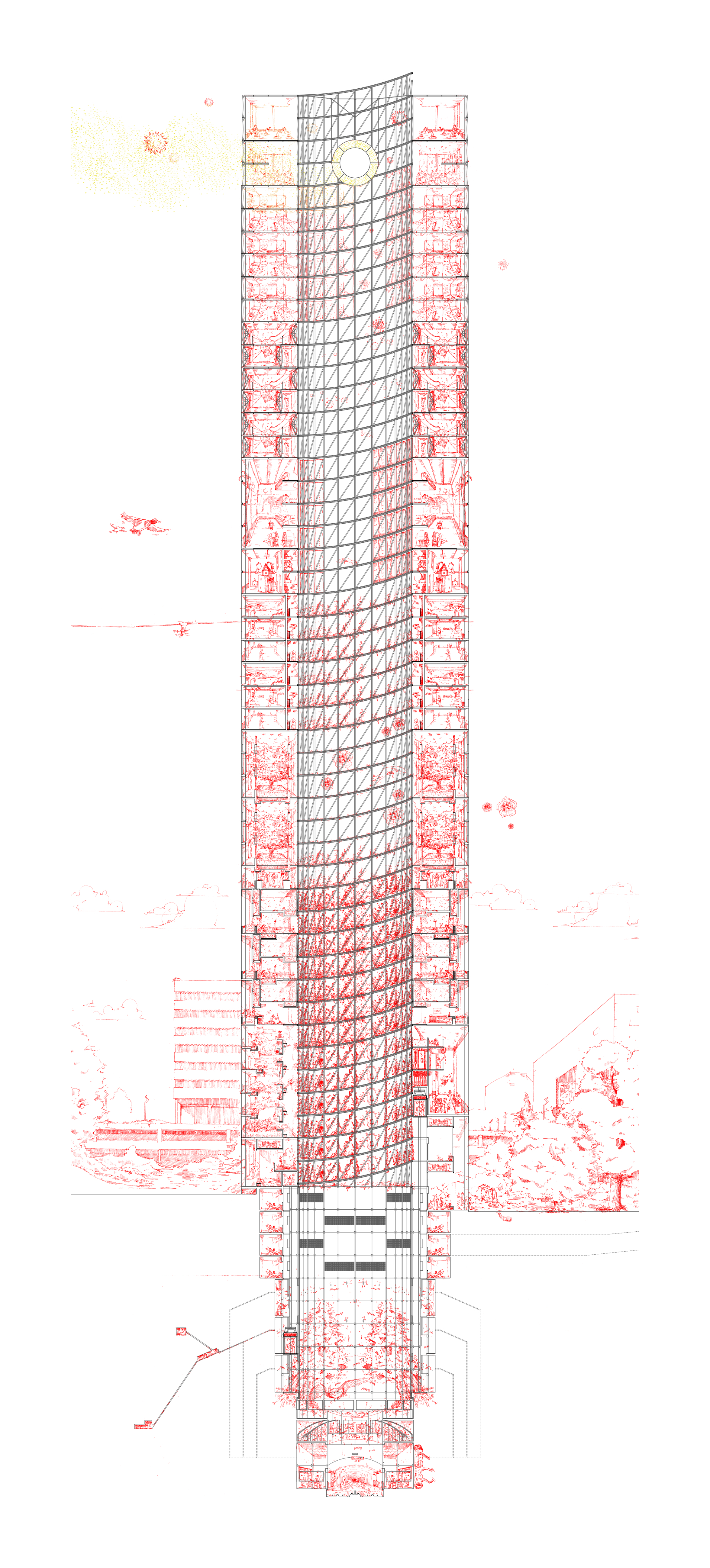
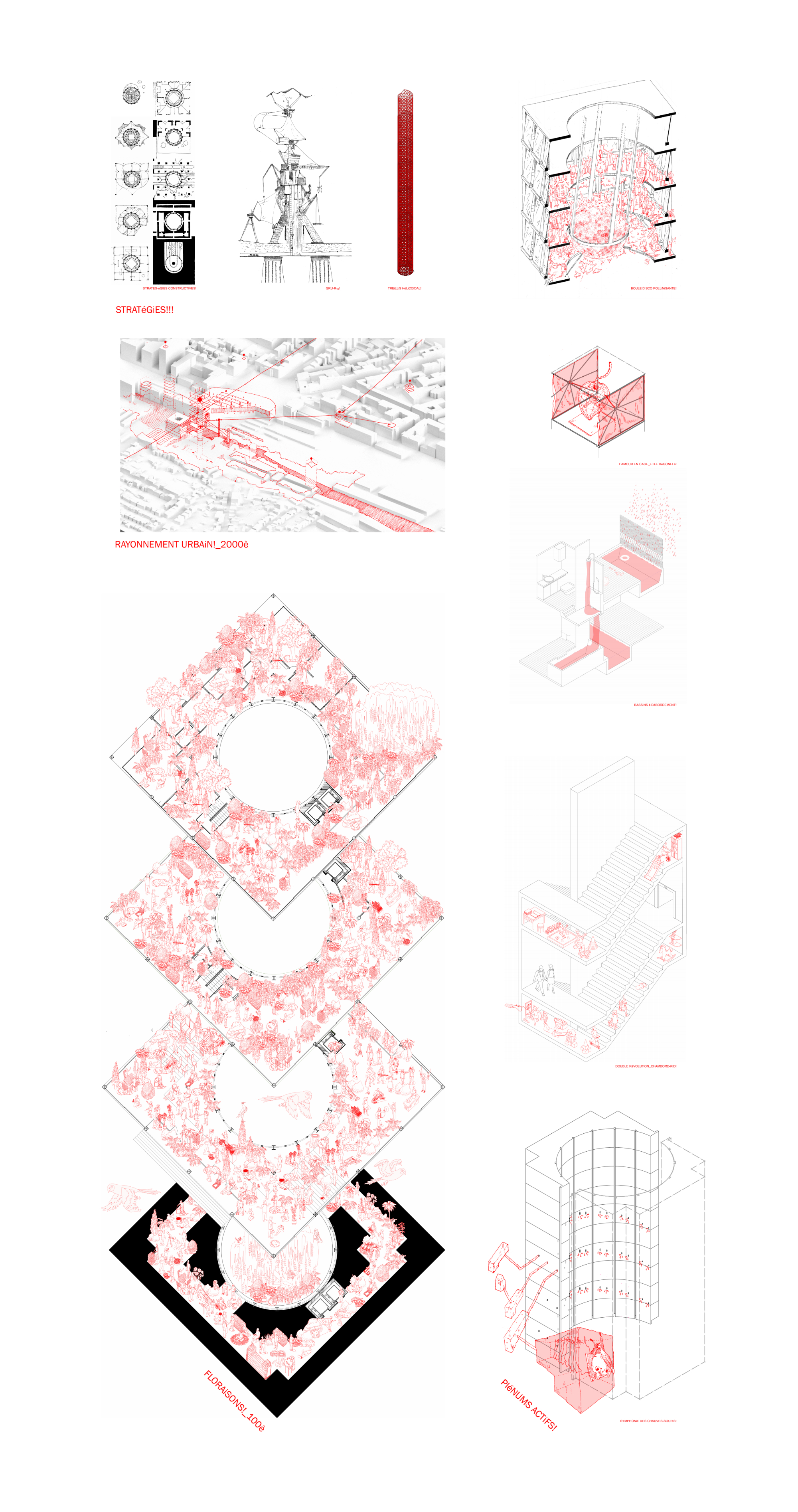
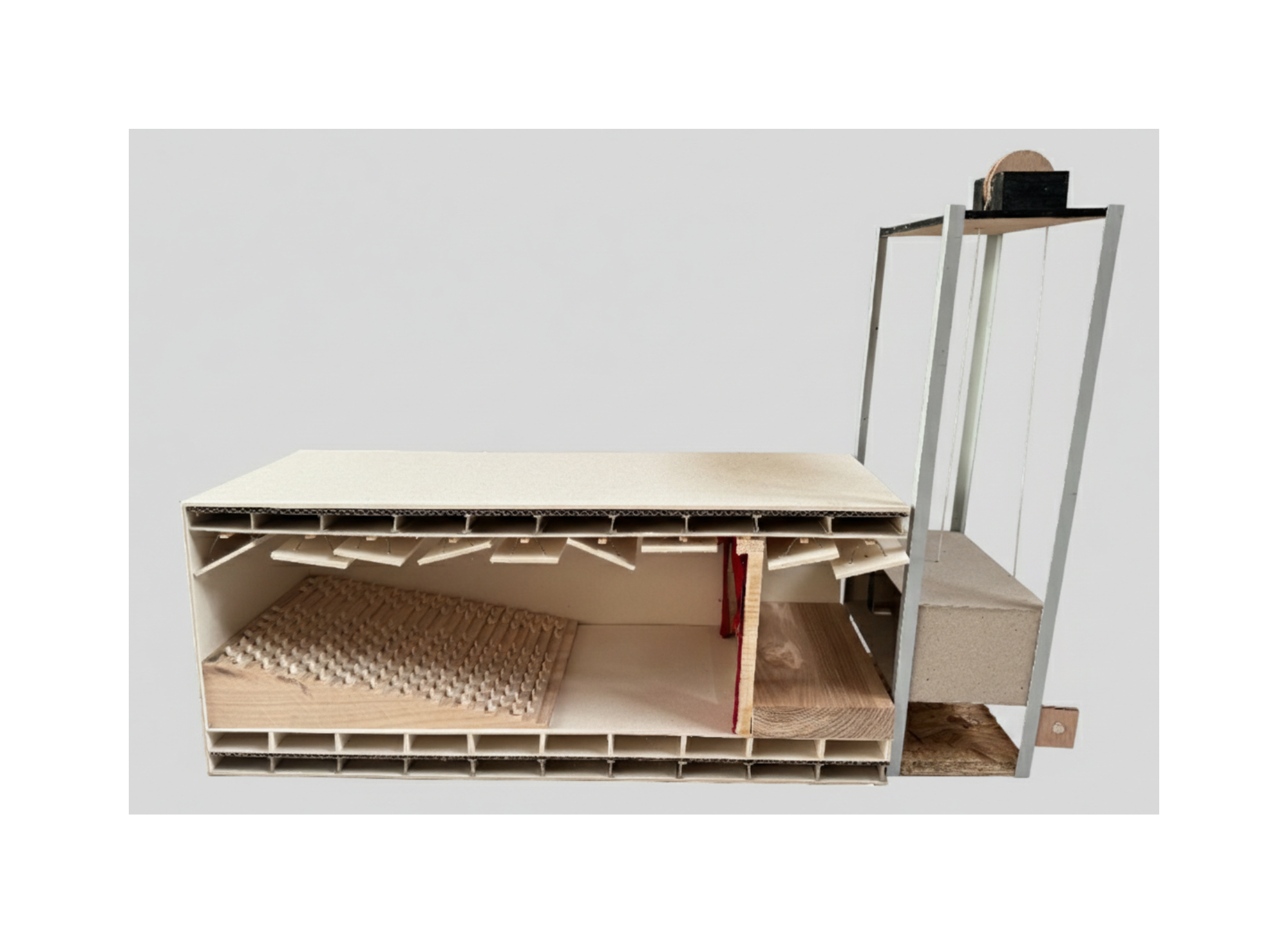
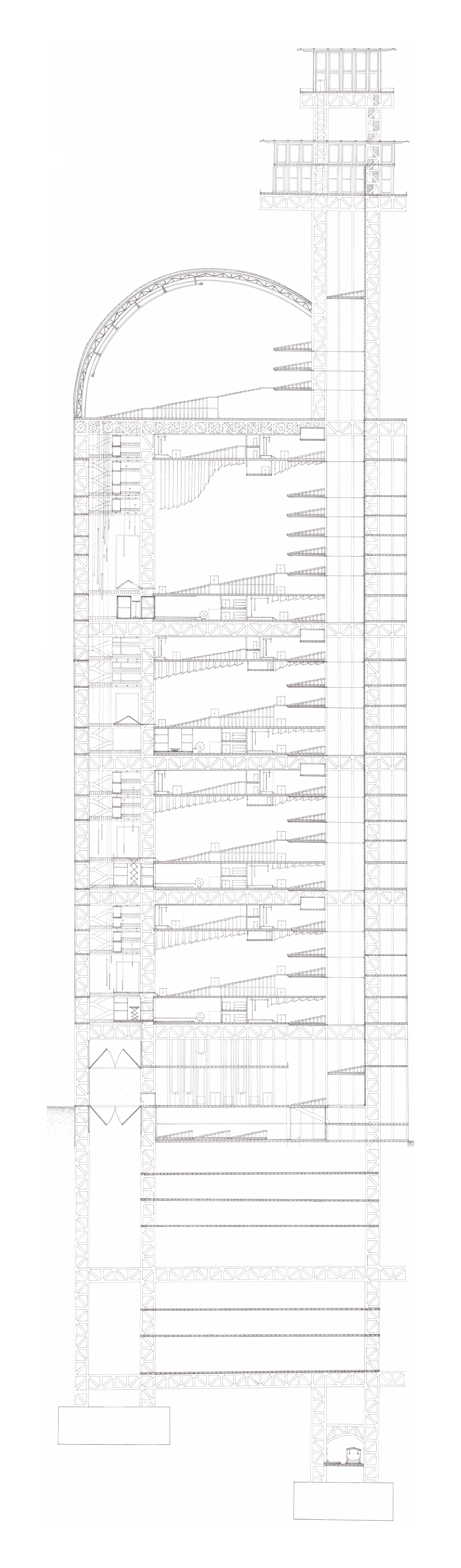
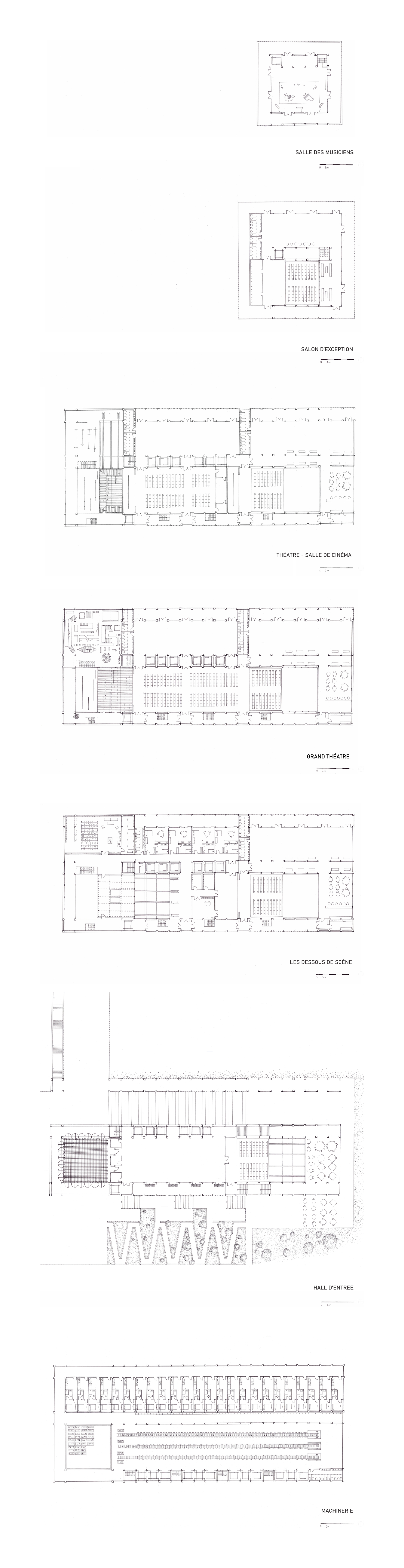
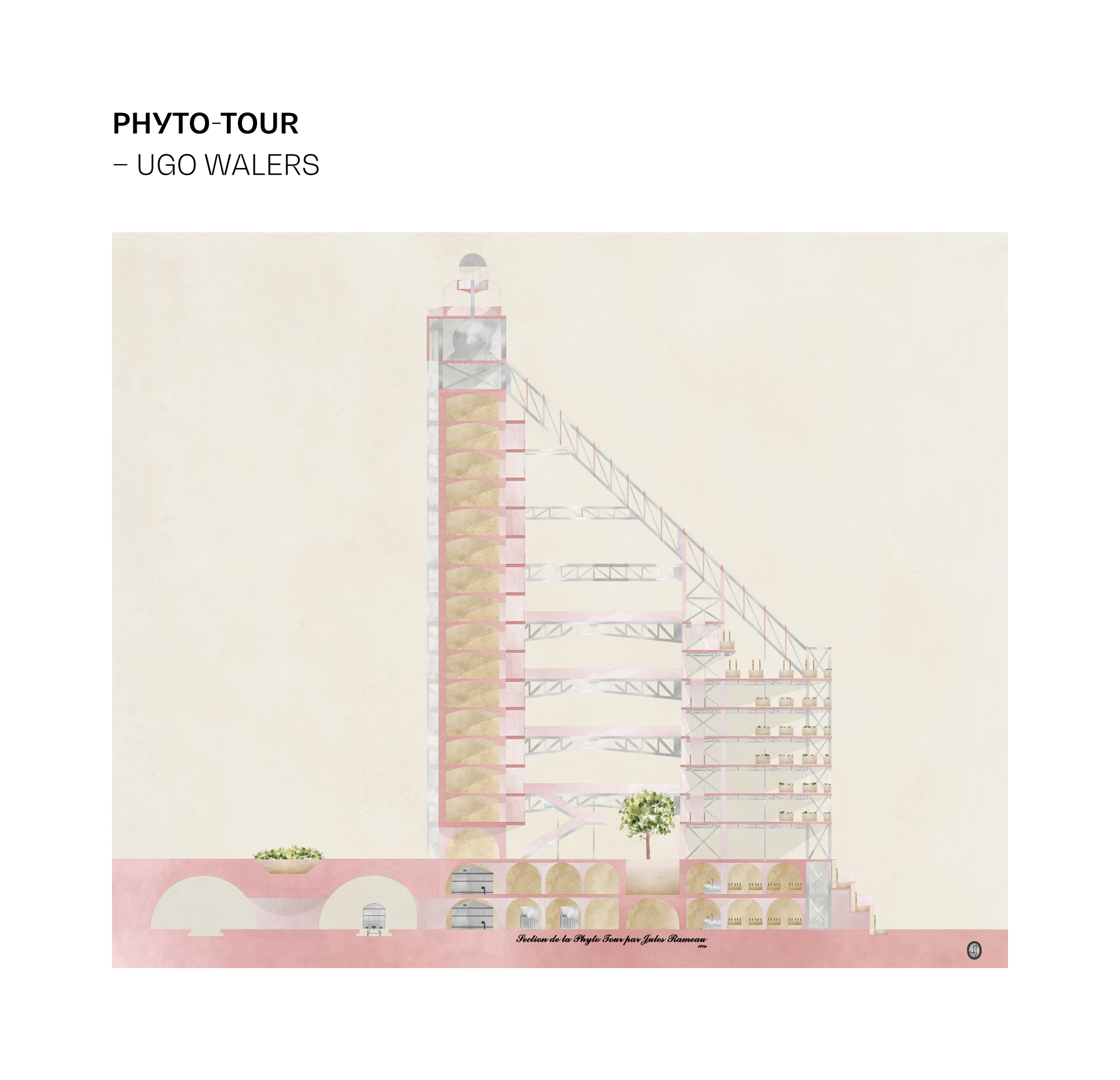
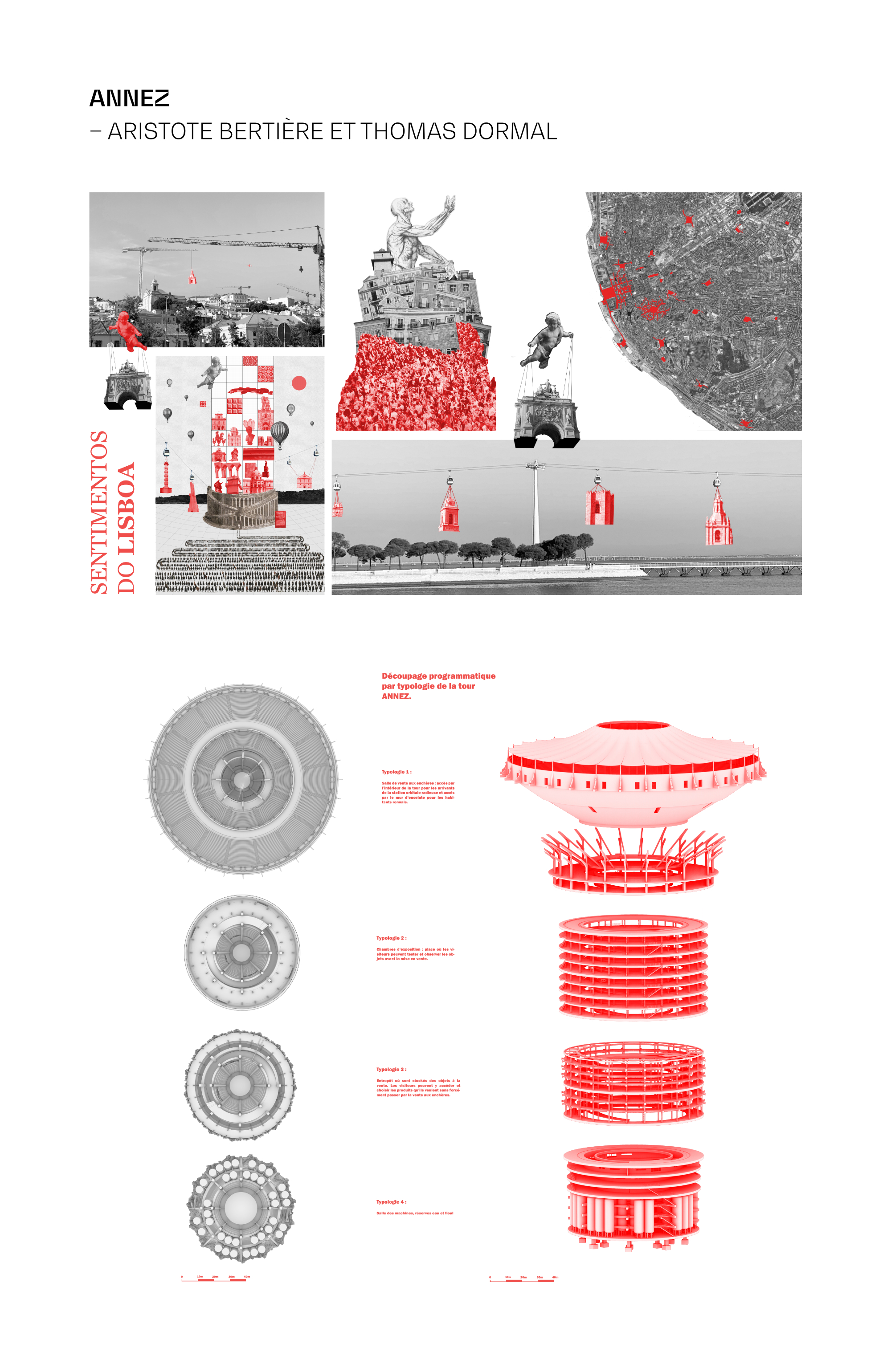
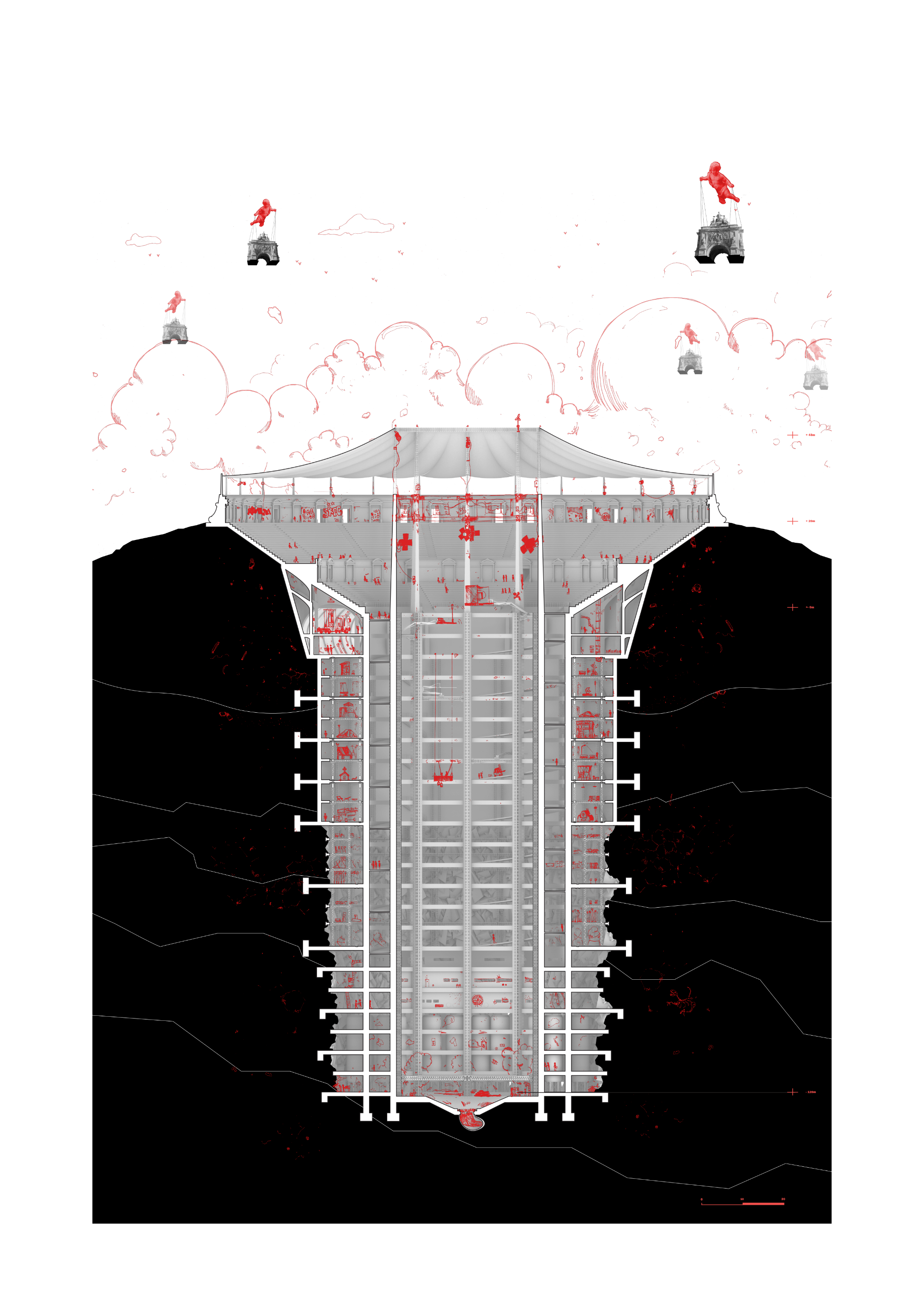
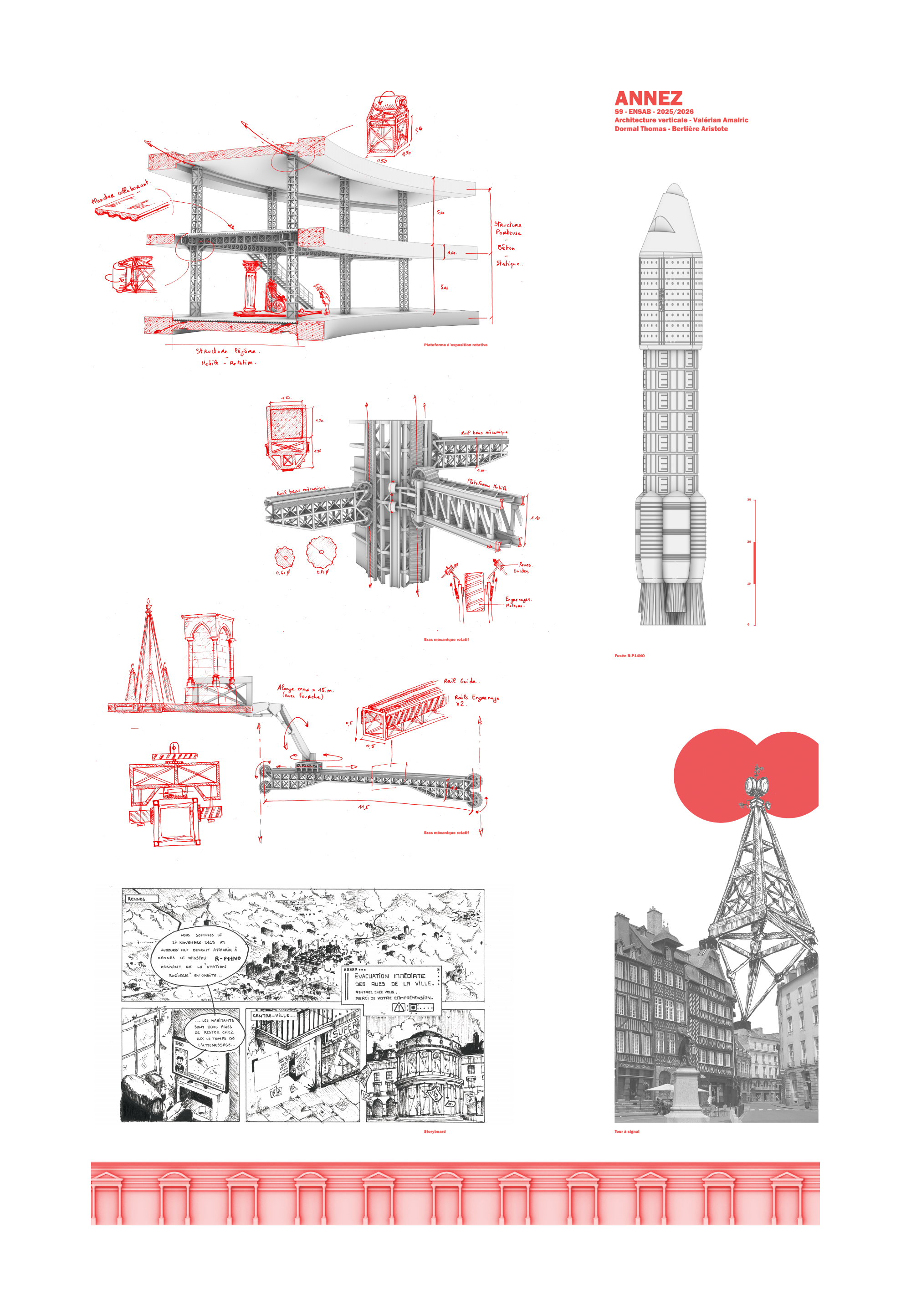
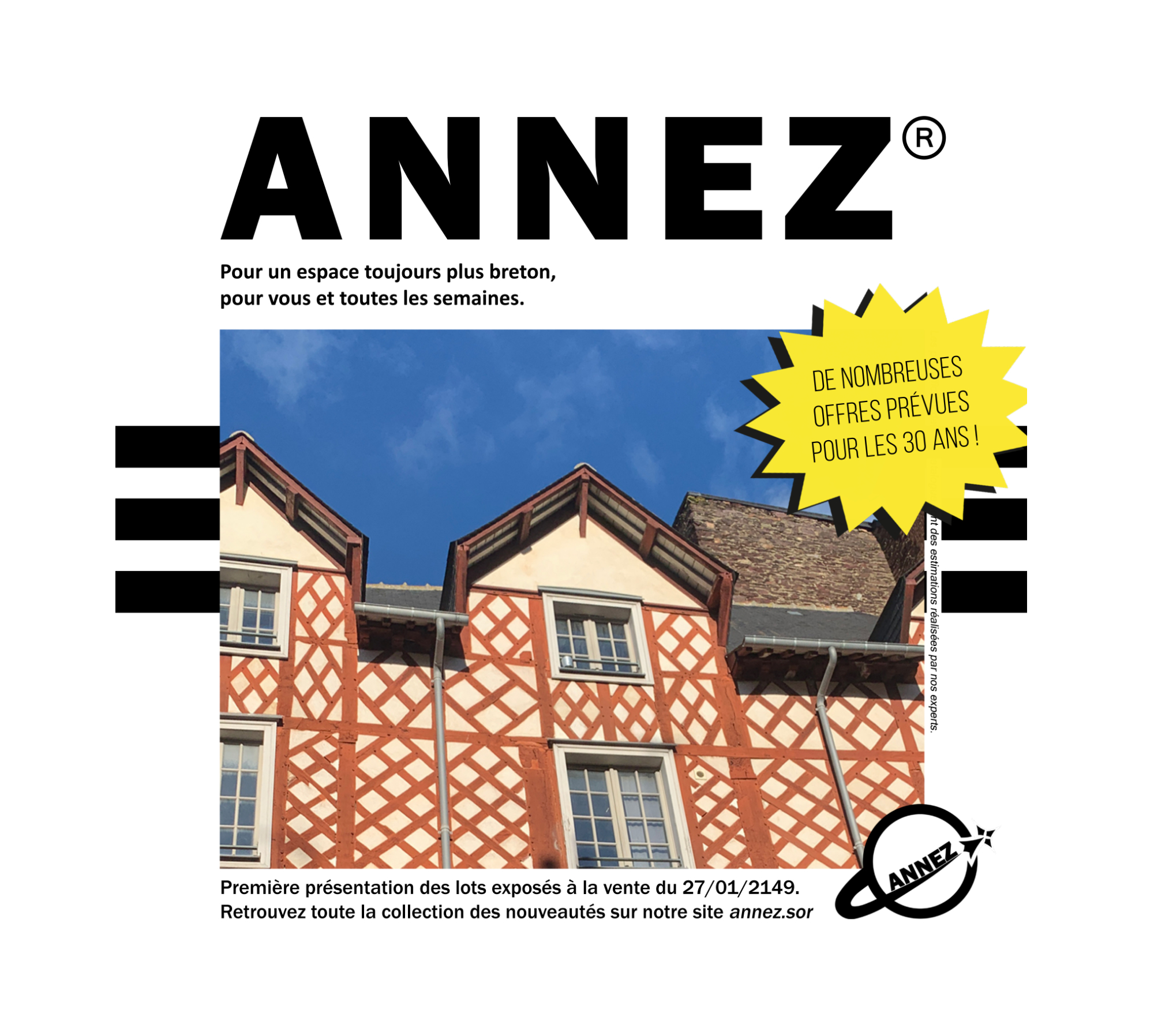
“All my buildings fly—which, when you think about it, makes perfect sense, because an architect spends his life fighting against the force of gravity.”
(Renzo Piano, “Buildings are like children – you want them to have a happy life,” Financial Times, March 23, 2021)
Drawing on the theme of the 2025 Lisbon Architecture Triennale, “How Heavy is the City?”, this studio takes the tower as a critical figure: a condenser of masses, flows, and narratives, it is at once an edificatory machine and a social fiction. From Babel to Dubai, from Céline to Ballard, from Marker to Godard, verticality is never a simple ascent, but always a tension between elevation and collapse, between aspiration and fall.
Through readings, images, and design experiments, the studio will explore this in-between: how does architecture, working within gravity, produce its own fictions? And how does fiction reveal what constructive rationality tends to conceal?
« HOW MUCH DOES YOUR BUILDING WEIGHS ? »
This semester, the studio takes as its point of departure the Lisbon Architecture Triennale, whose theme—“How Heavy is the City?”—poses a question that is at once elementary and immeasurable: what is the weight of the city? Such weight cannot be reduced to the sum of materials or to a structural load calculation. It engages other registers: energetic, carbon, and technical weight; political and social weight; symbolic and psychological weight. Architecture, which is built within gravity—precisely in the interval between gravity and grace (Simone Weil, Gravity and Grace, Paris: Plon, 1947)—is the discipline most directly concerned by this question.
These reflections take shape in a figure of condensation, fundamental to architecture and endlessly reworked in thought and literature: the tower.
Both mythic and historical, the tower persists across time as an unstable yet enduring motif. Its foundational narrative remains the Tower of Babel: an act of hubris doomed to failure, inscribing within architecture the fragmentation of language, discord, and divine disgrace. This origin, marked by fault and guilt, does not prevent—quite the contrary—the persistence of the motif, from the Renaissance to modern times, from Florence to Chicago, from New York to Dubai. Each era has produced its towers; each society has invested them with multiple meanings: verticality as civic power, as real estate speculation, as an excess of the Anthropocene. The tower is not merely a structure that rises—it is an accumulation of masses, flows, and signs.
Within modernity, the tower found its champions: Sullivan, Hilberseimer, Mies, Le Corbusier, and later Koolhaas. The Chicago School, emerging from the reconstruction following the devastating fire of 1871, opened the way for verticality as a response to urban density. In Delirious New York (Rem Koolhaas, New York: Oxford University Press, 1978), Koolhaas defines the tower as the founding type of a culture of congestion—a machine for producing intensity and density. It is not merely the result of constructive logic, but the site of a f(r)iction: a superposition of programs, a juxtaposition of events, a concentration of flows. Through it unfolds a constitutive dialectic of architecture: the opposition between sedimentation and elevation, between what weighs down and what lifts. Structural load and engineering logic confront the vertical thrust of the column linking earth and sky.
TWISTS AND TOWERS (Société Française des Architectes, Université Paris VIII – Colloque international “Tours et détours”. Paris, 17–19 janvier 2008.)
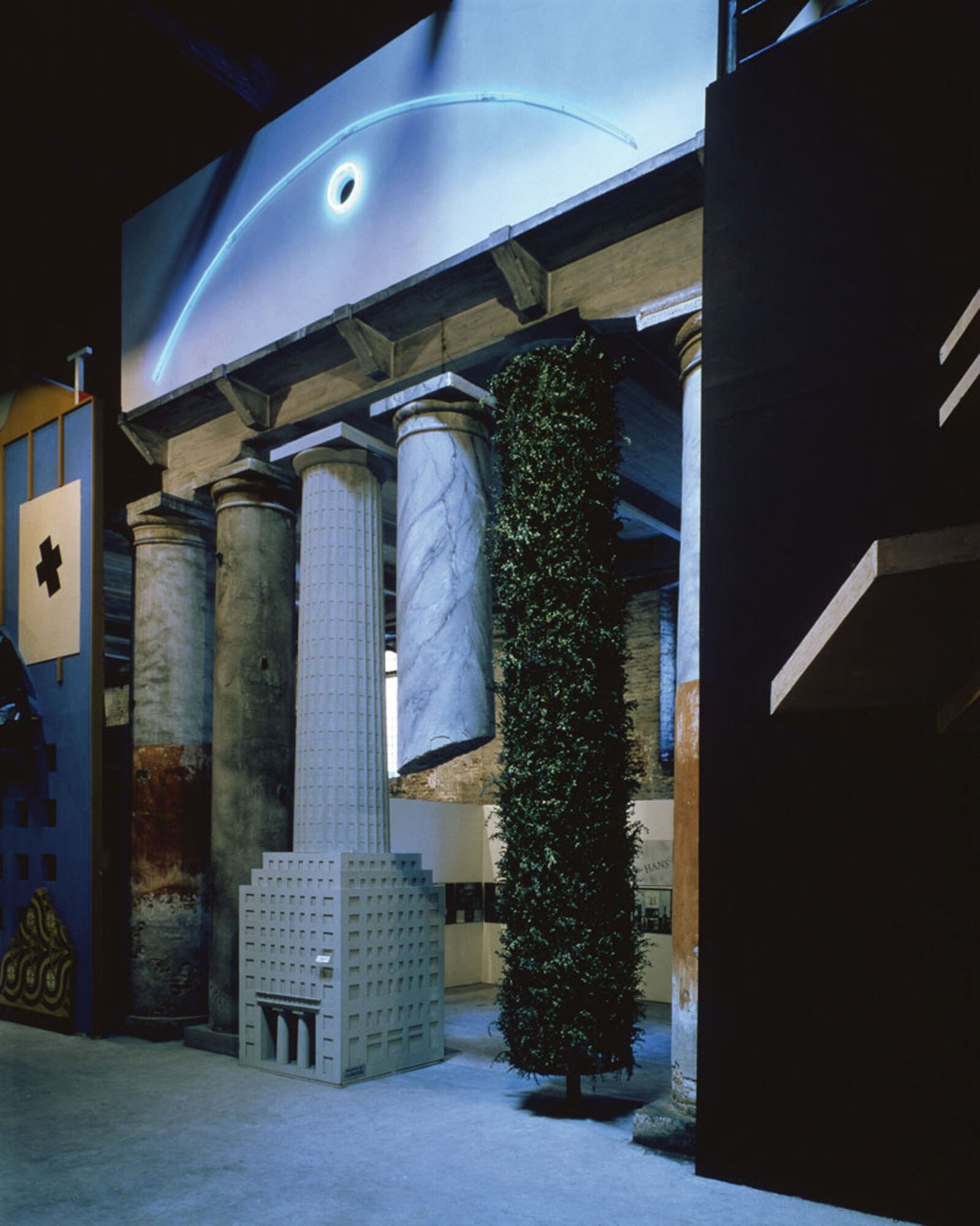
The tower has not only generated mythic narratives and theoretical speculation; it has also been subject to hijacks—satirical, even openly polemical. One of the most striking is Adolf Loos’s 1922 proposal for the Chicago Tribune Tower competition: a twenty-one-story building in the form of a Doric column set on a ten-story rectangular base. Loos exposed the masquerade: triumphant modernity might be nothing more than a classical order disguised as heroic verticality. The jury chose pastiche, consecrating archaism, while Loos’s aberrant column became—through a cruel reversal—an emblematic fetish later appropriated by postmodern criticism.
Hans Hollein grasped the full implications when he reappropriated Loos’s model in the Strada Novissima at the 1980 Venice Architecture Biennale. By adopting this project as a matrix, he extended Loos’s critical irony: the tower reduced to an image, a sign whose value lies less in function than in intellectual provocation. His 1960s collages had already inscribed this logic, scaling up ordinary objects—glasses, bread, electrical outlets—to the urban dimension, suggesting that architecture could be absorbed by its own icons. From Loos to Hollein, the lesson persists: the tower is no longer an ideal of power, but a displaced figure whose monumentality exposes the very absurdity of the monument.
Such hijacks remind us that the tower is not only a serious figure tied to the weight of history, technology, or society. It can be ridiculed, exhibited as cliché, or reduced to simulacrum. Loos and Hollein show that vertical architecture, in claiming to condense a world, also exposes its own emptiness. The tower thus becomes double: a monument of gravity and an object of derision, a figure of weight and a support for ironic lightness.
Beyond typology, the tower already belongs to the realm of narrative. Literature, photography, and cinema have made it a character in its own right. In Journey to the End of the Night (Louis-Ferdinand Céline, 1932), Bardamu’s discovery of New York presents verticality as oppression: the city rises in its full height, towers imposing the weight of social masses. In The World Inside (Robert Silverberg, 1971), three-thousand-story skyscrapers project a utopia of efficiency that turns into a dystopia of alienation.
With High-Rise (J. G. Ballard, 1975), the tower becomes a microcosm—its promise of autonomy reversed into violent enclosure. The brutalist imaginary shifts. The implicit reference to London’s Barbican Estate allows us to measure the gap: what for architects embodied a collective ambition becomes a malfunctioning “machine for living.” Its technical organs—elevators, ducts, cables, pipes, staircases, refuse chutes—cease to ensure fluidity and instead become mechanisms of constraint. Vertical ascent, rather than liberating, reinforces social gravity and inscribes hierarchy into the very mechanics of the building. The dialectic between heavy and light is perverted: upward movement turns into confinement, while promised lightness remains out of reach.
PARALLEL TOWERS
Cinema extends this metaphor. In La Jetée (Chris Marker, 1962), photographic stillness condenses memory and the weight of time: the frozen image does not merely capture a moment but layers temporal strata, accumulating traces until the weight of history is felt in every frame. Godard, in Numéro deux (1975), performs the inverse operation: by fragmenting and multiplying the image, he reveals its material thickness, its resistance to transparency. The image is no longer a passage but a mass—an obstacle imposing its weight on the viewer.
These two approaches—movement through stillness in Marker, critical saturation in Godard—remind us that cinema, like architecture, works with weight, with a density that conditions perception. The apparent lightness of images, like that of built forms, is always a hard-won effect against material gravity. This is precisely what the figure of the tower condenses: accumulation of masses, density of flows, stratification of social time. Marker and Godard thus converge on the architectural metaphor: the tower, like the image, is both surface and thickness, aspiration and reminder of the fall.
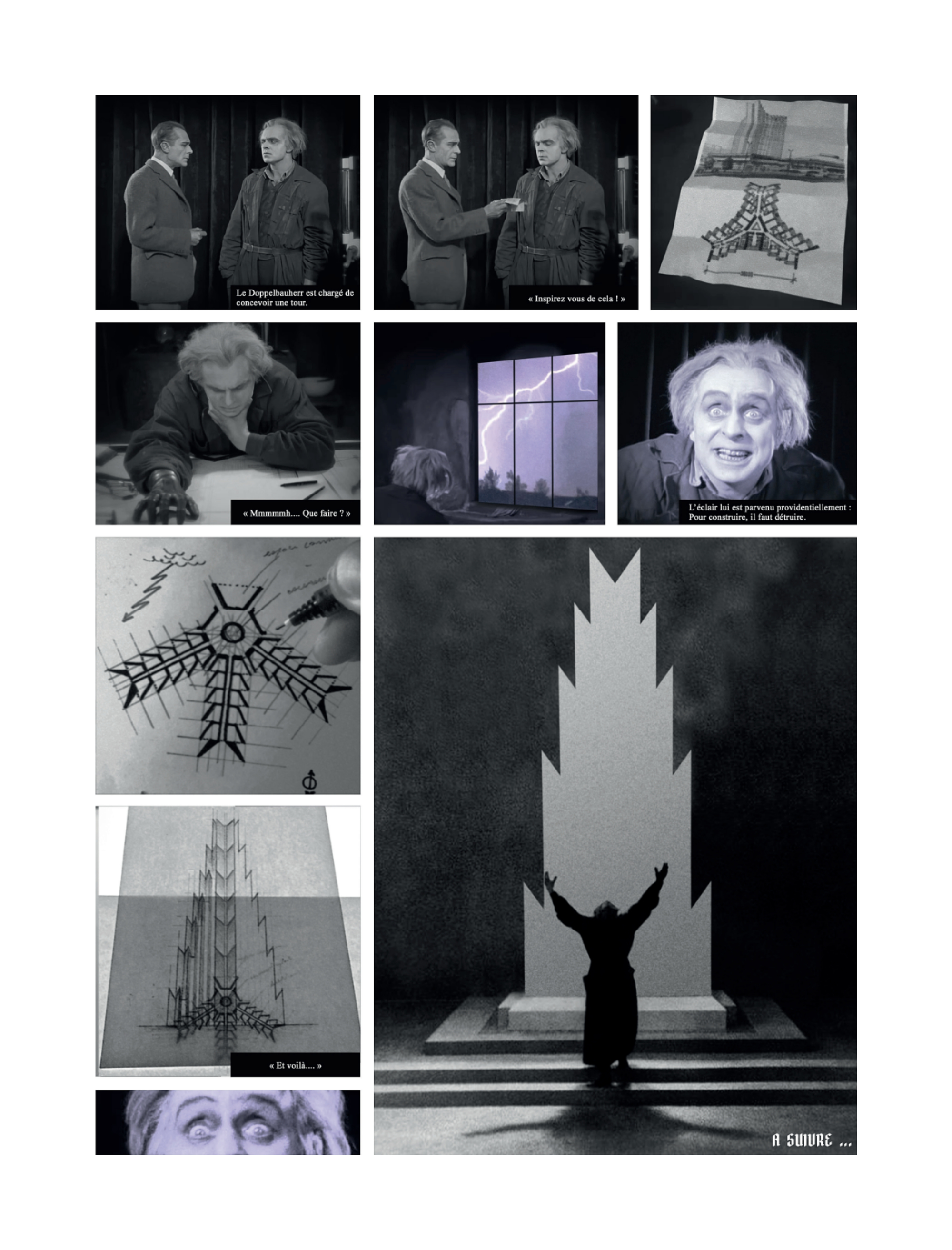
This relationship extends into explicit cinematic representations of the tower. Metropolis (Fritz Lang, 1927) made it the emblem of alienating modernity; Playtime (Jacques Tati, 1967) turned its monumentality into irony. In The Towering Inferno (John Guillermin, 1974), it becomes the icon of disaster cinema: the fire, though simulated, inaugurates a genre where verticality is synonymous with risk. Fiction here precedes reality: the Grenfell Tower fire in London in 2017 tragically reenacted what cinema had anticipated, revealing the vulnerability of a supposedly protective model. Likewise, the real car fall in The Hunter (Abel Ferrara, 1980), from Marina City in Chicago, echoes the passage from image to event. Echoed again by the Tour des Horizons in Rennes—recently marked by a tragic fall from its 26th floor—this underscores how blurred and unsettling the boundary between representation and lived experience remains.
This logic reaches its climax on September 11, 2001, when planes struck the World Trade Center towers, triggering fires that weakened their steel structures until they collapsed under their own weight—a figure of elevation brutally reversed into gravity. In literature as in cinema, the tower thus always appears as an in-between: between simulacrum and disaster, catastrophe and salvation. Sullivan’s dictum, “form follows function,” falters, overtaken by the immediacy of “form follows fiction.”
Recent history confirms this: while the slab blocks of postwar housing estates—towers laid horizontally—have met a brutal and definitive end, marking the failure of modernity’s promises of collective emancipation, the tower persists, from early American skyscrapers to the ostentatious excesses of Dubai. This persistence reminds us that architecture cannot be reduced to constructive rationality alone: it feeds as much on narratives, representations, myths, and fictions.
LISBON: A CITY IN SUSPENSION
Lisbon is the point of departure. A port city, layered and marked by the 1755 earthquake, it combines the topography of hills with the memory of ruins. Its trams, relieving inhabitants of the burden of steep ascents, embody a fragile mediation between body and city. They alleviate the weight of climbing, yet carry within them the latent possibility of disaster—as tragically recalled by the derailment of the Glória funicular on September 3, 2025. The city lightens only to remind us of weight: offering lightness as promise, and fate as its counterpart. Pessoa made it a site of doubling, his heteronyms giving voice to a city suspended between ascent and سقوط, dream and catastrophe.
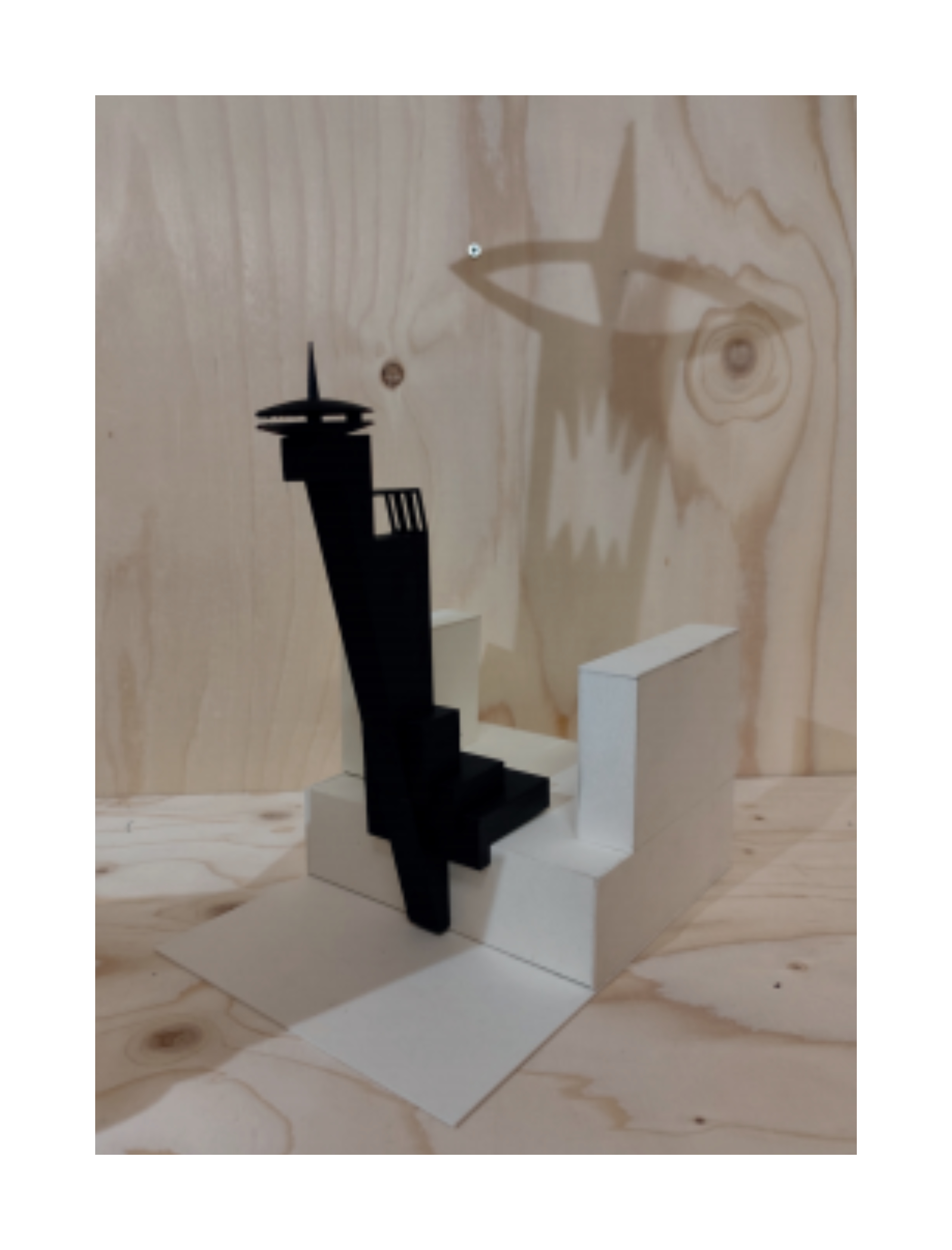
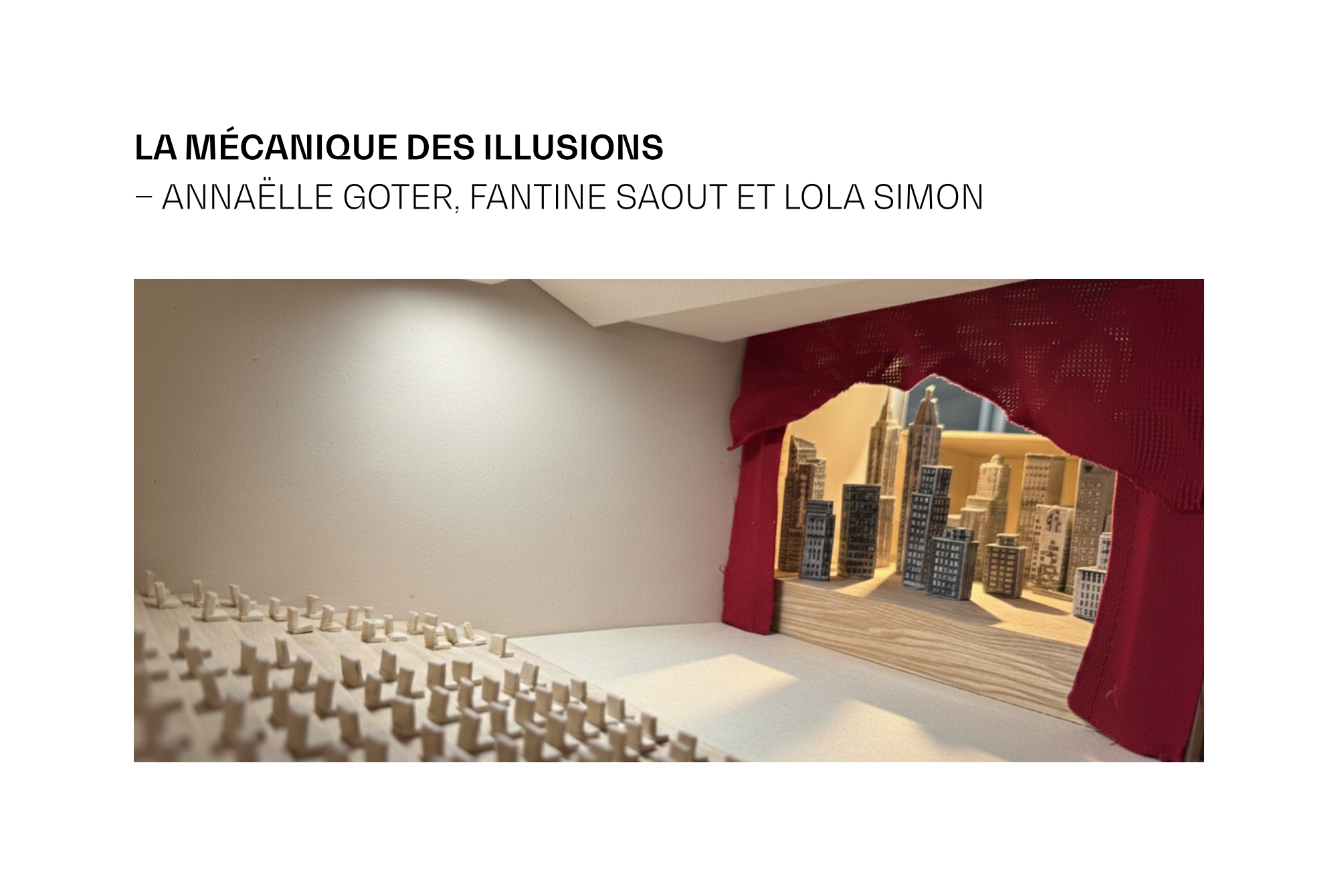
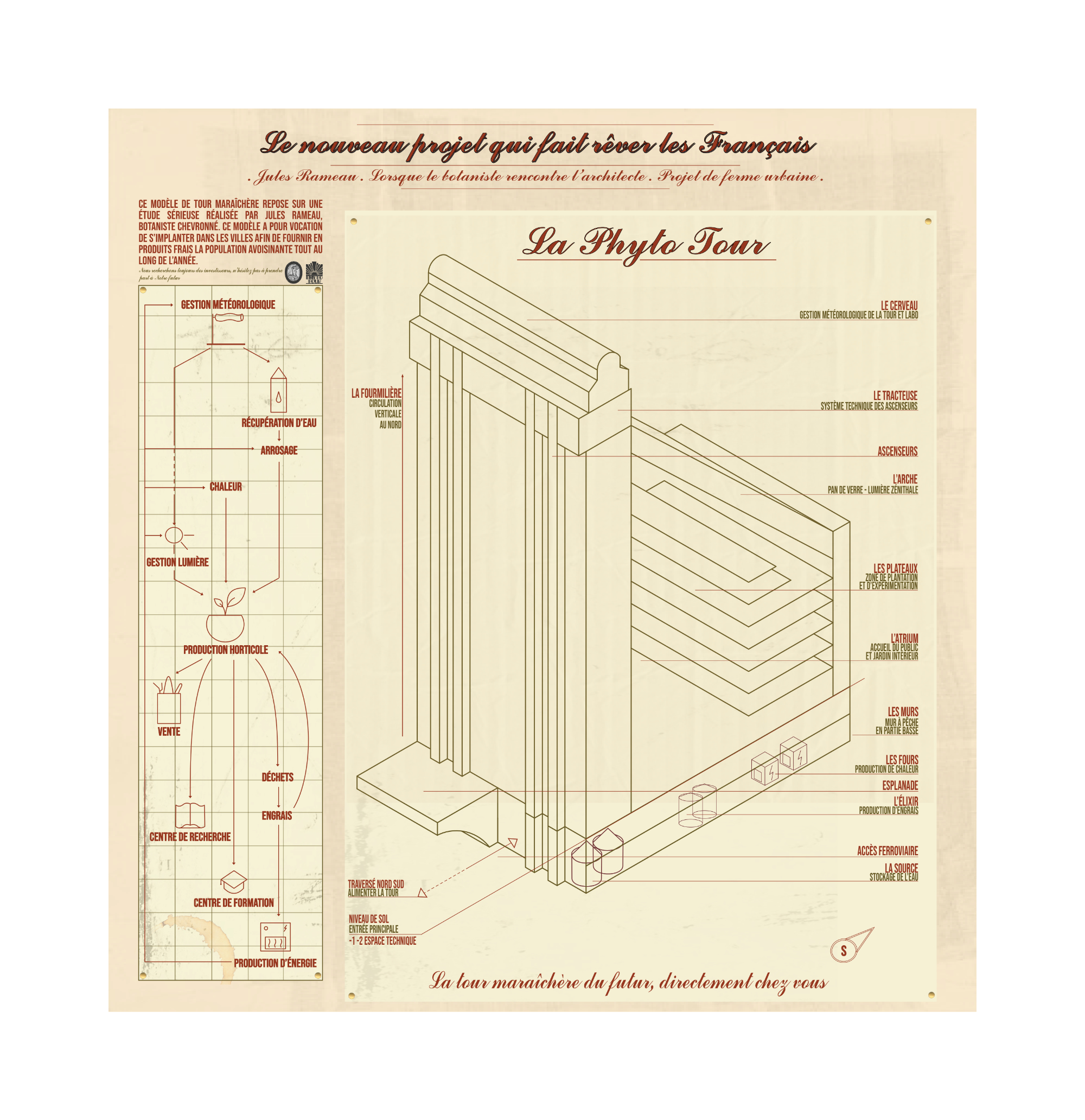
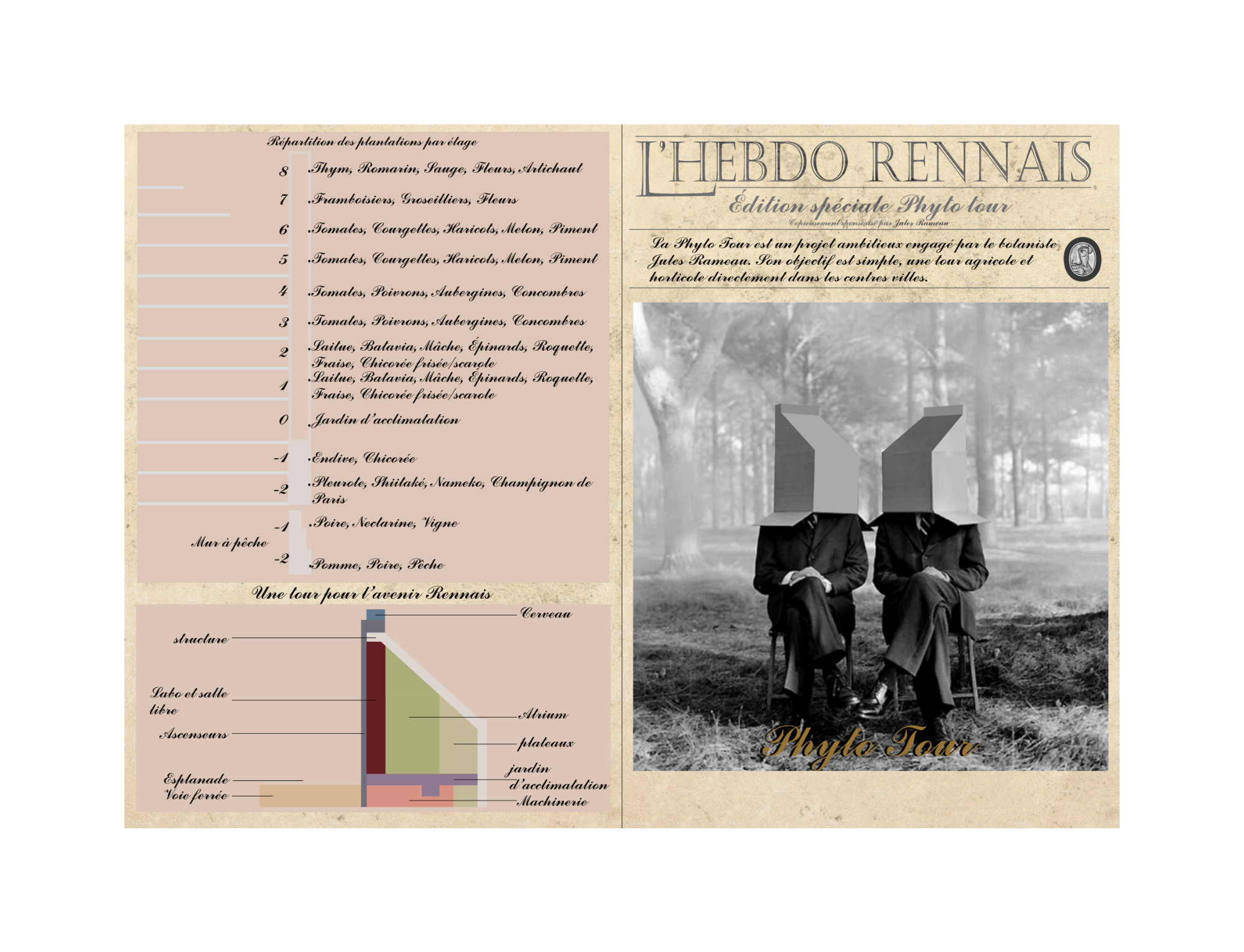
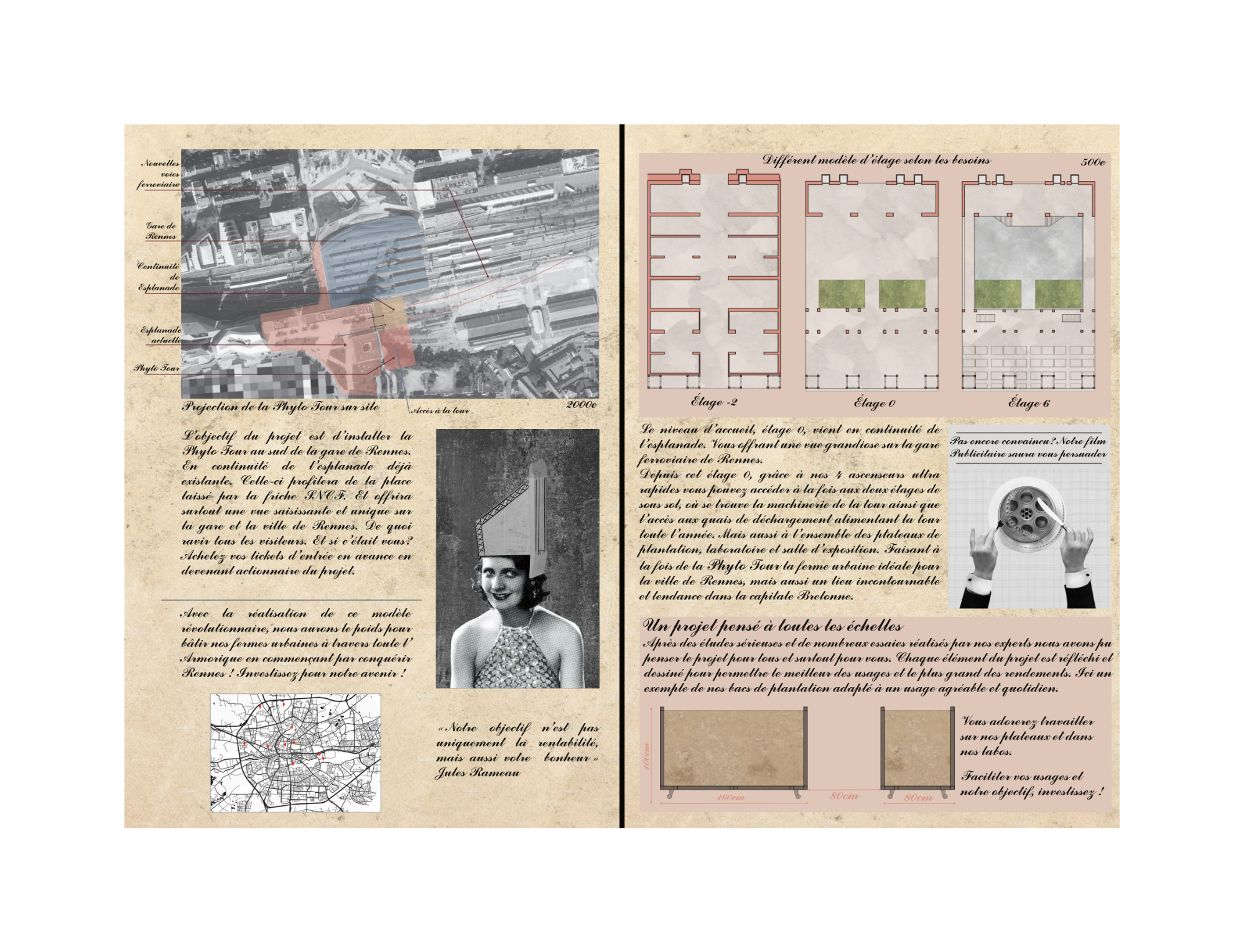
The studio transposes this method onto the figure of the tower. Both technical object and narrative construct, it oscillates between utopia and dystopia, between load and elevation. The aim is not to produce a building, but a critical framework: the tower as a condenser of material, social, and political tensions. The pedagogy unfolds in three phases. Before Lisbon: exercises in measurement, testing, and fiction. In Lisbon: fragmentary collection, at the intersection of the Triennale exhibitions and urban experience. After Lisbon: the tower as type and narrative, explored through collages, models, montages, and photo-novellas—the beginnings of a film.
It is in this spirit that the studio is conceived: to interrogate the tower as an architectural type that, far from being reducible to function alone, always carries a surplus of meaning. Fiction becomes a critical condition of the project—not in the pursuit of a finished form, but in the gradual construction of a critical field.